Silicon fertilizer raw materials
Silicon makes crops sturdier: stems that resist lodging, and leaves that cope better with drought, disease and pests. We supply the silicon raw materials, potassium silicate and colloidal (nano) silica, to fertilizer companies that formulate and register finished products for their own markets.
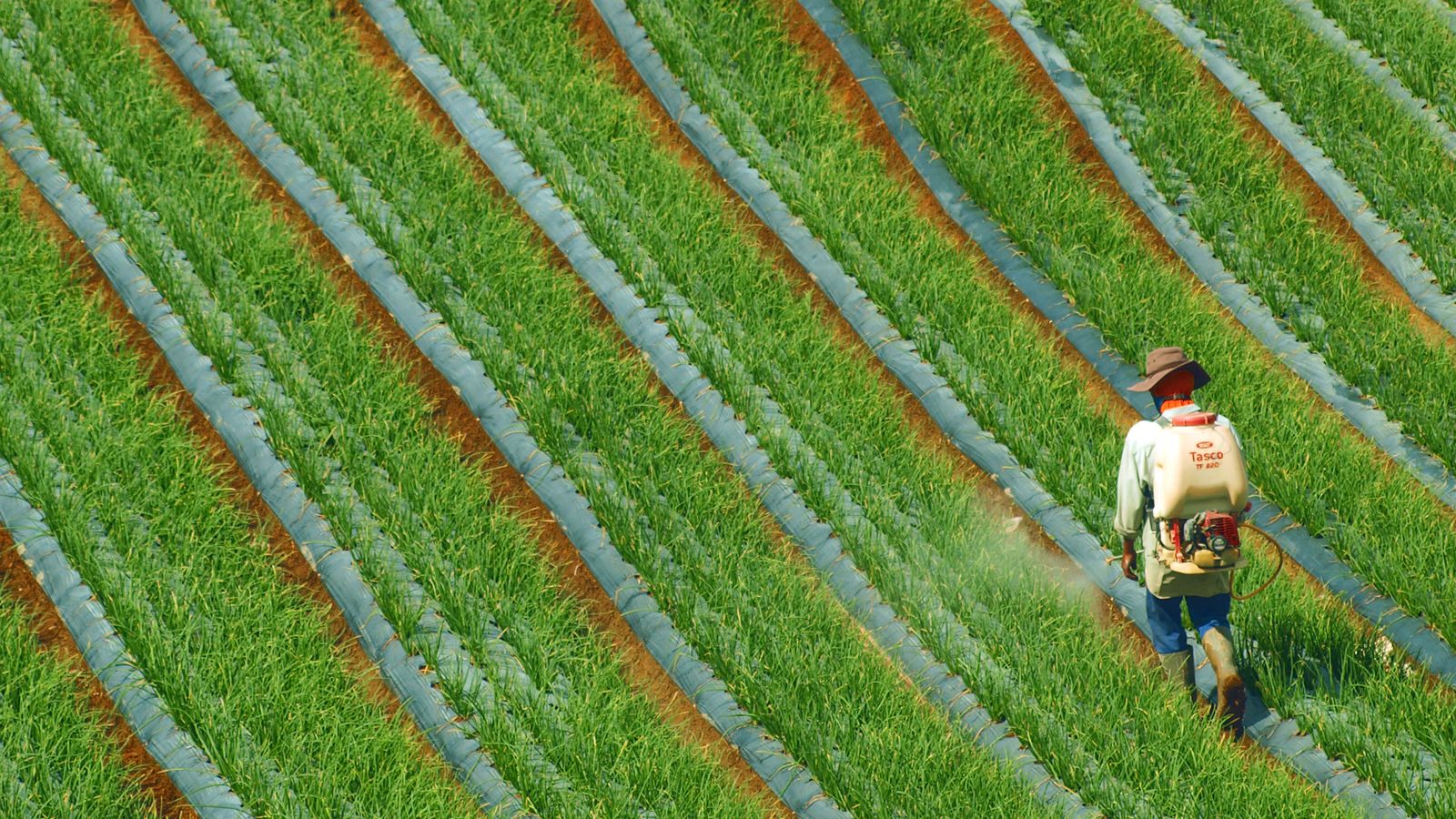
How plants use silicon
Plants take up silicon as monosilicic acid (orthosilicic acid, Si(OH)₄). They deposit it as solid silica in cell walls, mainly in leaves and stems. The best-documented effects:
- Stronger stems and less lodging, especially in cereals such as rice and wheat;
- Better tolerance to stress, both abiotic (drought, heat, salinity) and biotic (fungal disease, sucking and chewing pests);
- Yield gains in trials on specific crops. The benefits are clearest when the crop is under stress.
Silicon is recognised as a beneficial element for plants rather than an essential one. Product claims should be framed that way.
Our raw materials
| Raw material | Role in a silicon fertilizer | Formulation notes |
|---|---|---|
| Potassium silicate | The most widely used silicon source for liquid and foliar fertilizers. It supplies potassium at the same time. | Strongly alkaline. Formulators stabilise and buffer it so that it stays soluble in the tank and at the leaf. |
| Colloidal (nano) silica | A nano-silica source. Particles are 4–20 nm across and form a thin silica film on the leaf as the spray dries. | The particles are condensed SiO₂ and release plant-available silicic acid gradually rather than instantly. Keep the pH in the sol's stability range and avoid mixing with multivalent salts. |
Our research team first worked on silicon-based fertilizer formulations in the 1980s. We share starting points and compatibility data with formulators. We do not sell finished fertilizer.
What to specify when you enquire
- The target SiO₂ and K₂O content in your finished product;
- Your application method: foliar, fertigation or soil;
- The heavy-metal limits that apply in your market (Pb, As, Cd, Hg);
- Packaging and annual volume.
Fertilizer registration and product labelling stay with the brand owner in each market. We supply the raw material and its technical data.
Related: greenhouse films
The same sols are also used in anti-drip coatings for greenhouse films. These keep condensation from blocking light and dripping onto crops.
Frequently asked questions
What form of silicon can plants absorb?
Is potassium silicate or colloidal silica better for foliar silicon fertilizer?
Do you sell finished silicon fertilizer?
Why does silicon reduce lodging?
Need the full TDS or a trial sample?
Tell us your application and target spec. Our technical team replies within one working day.